Skip to content
Sand Tray Therapy
Sand Tray Therapy in McKinney, TX for Children, Teens & Adults
Counseling and Consulting Associates of North Texas has offered sand tray therapy in McKinney for years, for the people who cannot say it out loud. A shallow tray of sand, shelves of small figures, and a licensed therapist paying close attention. What gets built in the tray says what the person in the room has not found words for.
- 50-minute sessions
- In-person or telehealth
- Confidential & HIPAA-compliant
What Is Sand Tray Therapy and How Does It Work?
Sand tray therapy is a form of expressive therapy in which a client arranges miniature figures in a tray of sand to create a scene, guided by a trained therapist. Instead of explaining a problem, the person builds it. The tray becomes a small world where things can be placed, moved, buried or left out, and the therapist reads what emerges rather than asking for an account of it.
It is used with children, teenagers and adults, and it is a clinical method rather than an activity. The therapist is trained to notice what is selected, what is placed at the center, what gets pushed to the edges, what appears week after week, and what the person does with the sand itself. Sand therapy has been practiced in various forms for close to a century and remains one of the most effective ways to reach material that talking has not touched.


What to Expect in a Sand Tray Therapy Session
The room has a shallow tray of fine sand and shelves holding hundreds of small figures: people, animals, buildings, vehicles, trees, bridges, fences, and objects that are harder to categorize. Your therapist invites you or your child to build a scene, with no correct way to do it. Some people work in silence for the whole hour. Some narrate as they go. Some flatten the sand and start again three times. The therapist watches, occasionally asks a light question, and does not interrupt or direct the building. Afterward, there may be a conversation about the scene, or there may not, depending on the person and what the tray held. Sessions run about 50 minutes.
Why Sand Tray Therapy Works When Talk Therapy Doesn’t
Language is a late arrival, both in a child's development and in the aftermath of something overwhelming. A seven-year-old does not have the vocabulary for what happened when her parents separated. An adult who lived through something years ago may have a full account of it that never once touches what he actually feels. The tray sidesteps that. It puts the material at a safe distance, which is precisely what makes it approachable, and it works through the hands and the eyes rather than through explanation. People routinely say more in a tray in one hour than in months of careful conversation.
Who Can Benefit from Sand Tray Therapy?

Sand Tray Therapy for Children
For children roughly three to twelve, this is often the most natural form of therapy available, and it pairs closely with play therapy.

Sand Tray Therapy for Teens
Teens who shut down under direct questioning frequently engage with a tray, because it gives them something to do with their hands and removes the pressure of eye contact.

Sand Tray Therapy for Adults
Adults are often the most surprised by it. It is particularly useful for people who are articulate about their problems and stuck anyway, and for anyone whose talk therapy has plateaued.

Sand Tray Therapy for Trauma and Grief
The distance the tray provides allows traumatic and grief material to be approached at a pace the person controls, without needing to narrate it directly.

Sand Tray Therapy for Families and Siblings
Building a tray together, or building separate trays and looking at them side by side, reveals family dynamics faster than a conversation usually does.
Sandplay vs. Sand Tray Therapy: What’s the Difference?
The two terms are often used interchangeably and the distinction is worth knowing. Sandplay therapy refers specifically to the Jungian method developed by Dora Kalff, which is non-directive and works with archetypal and symbolic material over a longer arc, practiced by clinicians with formal sandplay training. Sand tray therapy is the broader term: the same basic tools used within whatever theoretical approach the therapist practices, often more directive and more flexible about timeframe. In practice, most clients do not need to choose between them. What matters is finding a therapist trained in the method, and our clinicians will explain which approach they use and why it suits your situation.

How Sand Tray Therapy Works With Play Therapy and Child Counseling
Sand tray is rarely the whole treatment plan. For younger children it usually sits inside broader child therapy alongside play therapy and art therapy, with parent consultations running in parallel. For adults it often supplements individual counseling rather than replacing it. Because every one of those services is provided in this building by the same 20+ person team, adding or removing sand tray from your plan is a conversation with your existing therapist rather than a referral elsewhere.
Find a Sand Tray Therapist in McKinney
Sand tray requires specific training. Reading a tray well, knowing when to stay quiet, and understanding what a repeated image means over six weeks is not something a counselor picks up casually. Our sand tray therapists are licensed clinicians with training in expressive and play-based methods, several of them registered play therapists, working with children, teens and adults. Tell our intake staff who the therapy is for and they will match you with someone who uses the tray regularly.




Rebecca Sims
M.Ed., LPC Associate
Individual Therapist
- Accepting new clients
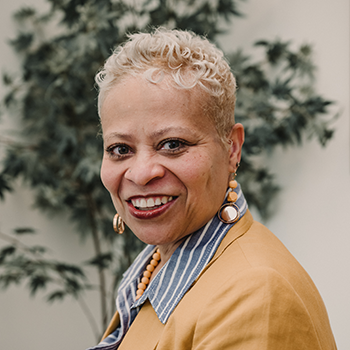
Sabrina Denise Henderson
MS, LPC-A, NCC
Individual Therapist
- Accepting new clients

Steve Jett
LPC
Individual Therapist
- Accepting new clients

Jeffrey McManus
MSN, PMHNP-BC
Individual Therapist
- Accepting new clients

Zach Nicholson
MS, LPC
Individual Therapist
- Accepting new clients

Brooke Tucker
LPC
Individual Therapist
- Accepting new clients

Scott Schultz
MSN, APRN, PMHNP-BC
Psychiatric Mental Health Nurse Practitioner
- Accepting new clients

Becky Dunlap
LPC-S
Individual Therapist
- Accepting new clients
How to Start Sand Tray Therapy
Step 1: Reach Out
01
Call 972.542.8144 and mention sand tray therapy specifically, since not every clinician offers it.
Step 2: Get Matched With a Sand Tray Therapist
We pair you or your child with a trained clinician who fits the age, concern and schedule.
02
Step 3: The First Session
Complete intake forms online first. For a child, the first session is often mostly getting comfortable in the room.
03
FAQ
Sand Tray Therapy Questions, Answered
Is Sand Tray Therapy Only for Children?
No. Children are the most common clients, but teens and adults benefit just as much. Teens who shut down when asked direct questions often open up when they have something to do with their hands. Adults who can explain their problems clearly and still feel stuck are often surprised by what the tray brings up.
Will the Therapist Tell Me What the Tray Means?
Not in the way most people expect. Your therapist does not hand you a verdict on your scene. They notice what you choose, where you place it and what repeats over time, then invite you to talk about it if and when it feels right. The meaning comes from you. The therapist helps you find it.
How Is This Different From Just Playing?
Play is open-ended. Sand tray therapy is a clinical method led by a trained therapist who watches how the scene is built, what is placed at the center, what is pushed to the edges and how it changes from session to session. That observation shapes the treatment plan, which is why it works as therapy and not just an activity.
How Many Sessions Does Sand Tray Therapy Take?
It depends on the person and the concern. Some clients notice a shift within a few weeks, while others use the tray over a longer period, especially with trauma or grief. Sessions run about 50 minutes, and your therapist will talk with you about pacing after the first few visits.
Is There Sand Tray Therapy Near Me if I Am Outside McKinney?
Yes. Our office at 1575 Heritage Drive, Suite 200 in McKinney serves families across Collin County, including Allen, Frisco, Plano and Prosper. If you live farther away, ask about telehealth options when you call 972.542.8144.
Book Sand Tray Therapy in McKinney, TX
If your child cannot explain what is wrong, or you have been talking about something for years without it moving, the tray is worth trying. Sand tray therapy in McKinney, TX starts with a call to 972.542.8144, and our staff will match you with a therapist trained in the method. We are at 1575 Heritage Drive, Suite 200, McKinney, TX 75069, open Monday to Friday 8am to 7pm, with Saturday appointments available.
24/7
- In Crisis? Get Help Now
Call or text 988 for the Suicide and Crisis Lifeline,
free and confidential, 24 hours a day. If a child is in danger, call 911. To report suspected child abuse or neglect in Texas, call 1.800.252.5400.